Calisthenics
Calisthenics in Dubai: A Beginner Guide to Bodyweight Training
Calisthenics in Dubai is a simple, low-cost way to get strong using only your body weight. You can train in a living room, a shaded park or on the beach, with little or no equipment. This beginner’s guide explains what calisthenics is, how to start and how to train safely in the UAE climate.
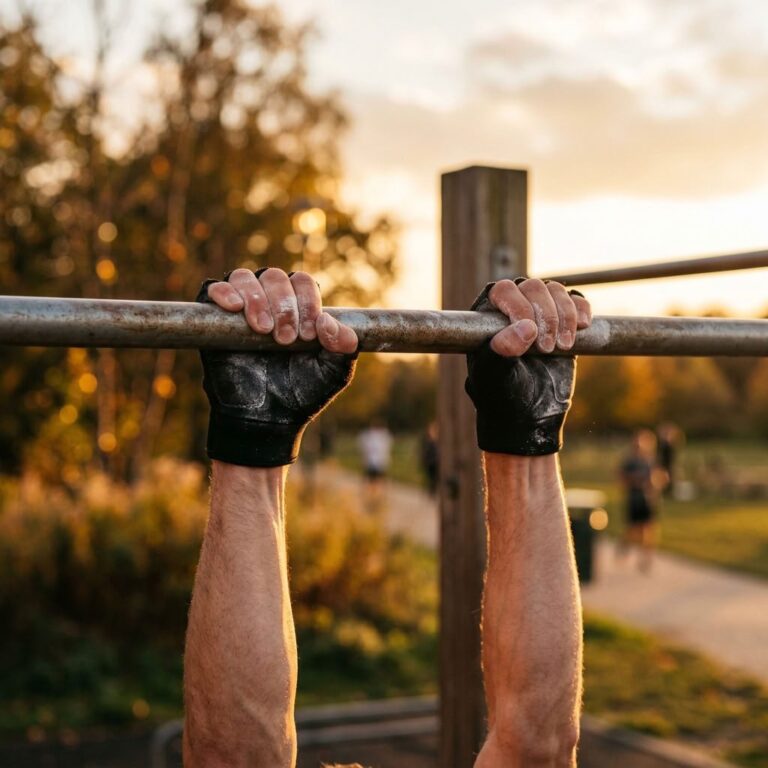
What is calisthenics?
Calisthenics is strength training with your own body weight. Push-ups, squats, pull-ups, planks and lunges are classic examples.
That is why calisthenics in Dubai suits busy professionals, mums at home and curious teenagers alike. You learn control first, and strength follows naturally.
Moreover, it scales to every level. A beginner can do wall push-ups, while an advanced athlete can work on handstands or muscle-ups. Because you control the leverage, you can make each move easier or harder.
Why calisthenics in Dubai makes sense
Dubai life is busy, and heat limits outdoor time for several months. Calisthenics fits this reality well.
- You can train at home with air conditioning.
- Free outdoor bars exist in many parks and beach areas.
- Sessions can be short, with no commute to a gym.
- The movements improve strength, balance and mobility together.
As a result, many people find calisthenics in Dubai easier to stick with than a traditional gym routine.
Beginner moves to learn first
Start with five basic patterns. Each has an easy version, so everyone can begin safely.
Squat
Sit your hips back and down, then stand. If you need support, hold a chair or sit to a box.
Push-up
Begin on an incline, like a sofa or wall, and lower your chest slowly. Progress to the floor when it feels strong.
Row
Pull your chest toward a low bar or sturdy table while lying underneath. This builds your back and prepares you for pull-ups.
Plank
Hold a straight line from head to heels. Use your knees if you need to, and stop when your form slips.
Lunge
Step one foot back and bend both knees. Keep your chest tall and alternate sides.
Your first week of calisthenics in Dubai
Train three days a week, with a rest day in between. Each session takes about 30 minutes.
- Warm up for five minutes with marching, arm circles and cat-cow.
- Do 3 rounds of 8 squats, 6 incline push-ups, 8 rows and a 20-second plank.
- Rest for 60 seconds between rounds.
- Cool down with slow stretches for your legs, chest and back.
Next week, add a few reps or slow down the tempo. For example, lower for three seconds on each push-up. Small changes keep you progressing without burning out.
If you have a health condition, injury or pain, check with your doctor before you begin.
Training outdoors in Dubai: heat, humidity and timing
From roughly May to September, outdoor midday temperatures are very high. Therefore, plan carefully.
- Train early in the morning or after sunset.
- Drink water before, during and after your session.
- Wear light clothing and use sun protection.
- Move indoors if you feel dizzy, sick or unusually tired.
In the cooler months, parks and beaches are ideal. During Ramadan, many people shift training to after iftar or just before it, so choose a gentle session and listen to your body.
How to progress calisthenics in Dubai safely
Progress comes from doing slightly more over time. You can add reps, slow the tempo, pause at the hardest point or choose a harder variation.
However, do not rush. Pain is a signal to stop, not to push through. Also, sleep, food and rest days all affect how you feel.
The World Health Organization physical activity guidelines recommend regular aerobic activity plus muscle-strengthening work on at least two days a week. Calisthenics covers the strength part nicely.
When you feel ready for a bigger goal, try our guides to your first pull-up or kids fitness in Dubai if you want the whole family to move together.
Working with a coach
Beginners often ask whether calisthenics is too hard at first. It is not, as long as you choose the right starting level and stay patient with your progress.
A coach saves time and prevents common mistakes. For instance, they correct your push-up angle, set the right progressions and keep you motivated.
At YourTurn DXB, we start with how you feel, not only with how much you can lift. Our male and female coaches come to your home, park or beach. Our lead coach, Abdelrahman, has 12 years of calisthenics coaching experience.
Before you decide, read our guide to personal trainer cost in Dubai to compare your options. No coach can guarantee a specific result, but a clear plan makes your effort count.
Frequently asked questions
Do I need equipment for calisthenics in Dubai?
No. You can start with floor exercises and a sturdy chair. Later, a pull-up bar or resistance bands can open up more options.
Can women and mums do calisthenics?
Yes. The moves can be adjusted to any fitness level, and many mums train at home while children play nearby. After pregnancy or a medical issue, check with your doctor first.
Is calisthenics good for beginners?
It is. Each exercise has an easier version, so you can start gently and build strength gradually.
How often should I train?
Two to three sessions a week is a good start. Add rest days and a few easy walks to help your body recover.
Ready to start? Book a session on WhatsApp and a YourTurn DXB coach will meet you wherever you prefer to train.
This content is general information, not medical advice. Check with your doctor before starting a training programme, especially with pregnancy, injuries or health conditions. Our coaches offer mindset and motivation coaching. They are not therapists.
Keep reading
How to Do Your First Pull-Up: A Step-by-Step Progression
A six-step progression from dead hang to your first strict pull-up, with a weekly plan and common mistakes.
October 2, 2026 · 5 min readGetting startedYour First Personal Training Session in Dubai: What to Expect
A simple walk-through of your first personal training session, what to prepare and what happens next.
October 30, 2026 · 2 min readMobilityDesk Worker Mobility Routine: 10 Minutes to Loosen Up
A 10-minute mobility routine for stiff hips, shoulders and spine from long hours at a desk, plus daily habits.
October 2, 2026 · 5 min read