Mobility
Desk Worker Mobility Routine: 10 Minutes to Loosen Up
Desk worker mobility is the simple habit of moving your joints through their full range every day. If you sit for hours at a computer, your neck, hips and back often feel stiff. This 10-minute routine helps you loosen up without special equipment.
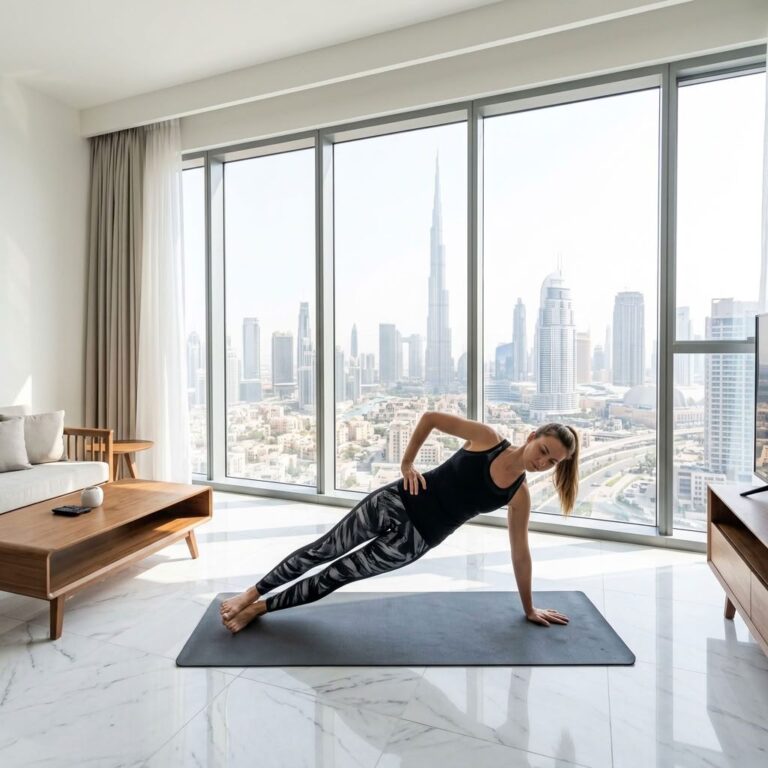
Why desk worker mobility matters
Sitting for long periods keeps your hips bent and your shoulders rounded. Over time, these positions can feel tight and uncomfortable. Therefore, regular movement breaks are one of the easiest ways to feel better at work.
Good desk worker mobility does not mean extreme stretching. Instead, it means gentle, controlled movement that you repeat often. Small habits, done daily, matter more than one long session on the weekend.
Start with how your body feels
At YourTurn DXB, we always start with the mind and body check-in. Before you move, take three slow breaths. Then notice where you feel tight: the neck, the lower back, the hips or the wrists.
This step is useful for desk worker mobility because it tells you where to spend more time. For example, if your neck feels stiff after a long meeting, spend an extra minute on the neck moves below. Move slowly, and never push into pain.
The 10-minute desk worker mobility routine
You can do this routine beside your desk, in a meeting room or at home. Hold each position or repeat each movement for the time listed. If you have a health condition or injury, check with your doctor first.
- Neck tilts (1 minute): Drop your ear toward your shoulder, hold for 15 seconds, then switch sides. Then slowly turn your head left and right.
- Shoulder rolls (1 minute): Roll your shoulders back in big, slow circles. Next, roll them forward.
- Chest opener (1 minute): Clasp your hands behind your back, lift your chest and breathe deeply.
- Seated twist (1 minute): Sit tall, place one hand on the opposite knee and rotate gently. Repeat on the other side.
- Cat-cow (1 minute): On hands and knees, or seated, arch and round your back slowly with your breath.
- Hip flexor stretch (2 minutes): Step into a lunge, tuck your pelvis under and hold for one minute per side.
- Standing forward fold (1 minute): Bend your knees slightly and let your upper body hang. Relax your neck.
- Wrist circles and stretches (1 minute): Circle your wrists, then gently stretch your fingers back.
- Deep squat hold (1 minute): Sink into a comfortable squat, holding a chair or desk for balance if needed.
Breathe slowly through every move. If any position hurts, ease off or skip it.
Micro-breaks for desk worker mobility during the day
You do not need a full 10 minutes every time. In fact, short breaks work very well. Try to stand up at least once every hour, even for 30 seconds.
Here are easy ideas for micro-breaks:
- Stand up whenever you take a phone call
- Do five shoulder rolls after each email batch
- Walk to a water fountain or window every hour
- Set a gentle reminder on your phone or watch
- Stretch your chest and hips while the kettle boils
These tiny actions add up. Because they cost almost no time, they are easy to keep as habits.
Set up your workspace to support movement
Your workspace can help or hurt. First, place your screen at eye level so your neck stays neutral. Next, keep your feet flat on the floor and your knees close to a right angle.
Also, sit back in your chair so your lower back has support. Keep your keyboard close so your shoulders stay relaxed. However, even a perfect chair does not replace movement, so keep changing position.
In Dubai, many offices keep the air conditioning cold. Cold air can make muscles feel tighter. Therefore, warm up a little before stretching, for example with a short walk or arm swings.
Build strength to keep your body balanced
Desk worker mobility works best with strength. Strong glutes, back and core muscles hold your posture without effort. For that reason, our coaches add a little bodyweight strength to most programmes.
Try two short strength sessions each week with squats, glute bridges, wall push-ups and planks. You can learn more in our guide to bodyweight exercises you can do at home and our article on our calisthenics beginner’s guide for Dubai.
Our male and female coaches can come to your home or office-friendly space and build a plan around your schedule. If you are comparing options, read our guide to personal trainer cost in Dubai.
How often should you practise?
Aim for the short routine once a day, ideally at the same time. For example, you could do it before lunch or just after work. In addition, add micro-breaks through the day.
The World Health Organization physical activity guidelines also encourage regular activity and less sitting. Use them as a general guide, and adjust to your own level.
Frequently asked questions
Can mobility work cure my back pain?
We cannot diagnose or treat pain. Gentle movement helps many people feel looser, but persistent or severe pain needs a doctor. Please get checked before starting if you have any injury.
Do I need to change clothes?
No. Comfortable work clothes are usually fine for the seated and standing moves. For the lunge and squat, you may prefer clothes that stretch easily.
How soon will I feel a difference?
Many people feel looser right after a session. Lasting changes take regular practice over weeks. Stay patient and consistent.
Is this safe for beginners?
Yes, the moves are gentle and low impact. Go slowly and stay within a comfortable range. If you feel pain, stop and seek advice.
Ready to feel better at your desk? Book a session on WhatsApp and our coaches will build a personal desk worker mobility plan for you.
This content is general information, not medical advice. Check with your doctor before starting a training programme, especially with pregnancy, injuries or health conditions. Our coaches offer mindset and motivation coaching. They are not therapists.
Keep reading
Kids Fitness in Dubai: Fun Bodyweight Training for Children
How to build movement skills, strength and confidence in children with play-based bodyweight training.
October 2, 2026 · 5 min readTraining in DubaiWhere to Train Outdoors in Dubai: Beaches, Parks and Building Gyms
The pros and cons of beaches, parks, running paths and building gyms in Dubai, plus what to bring and safety rules.
October 2, 2026 · 5 min readGetting startedYour First Personal Training Session in Dubai: What to Expect
A simple walk-through of your first personal training session, what to prepare and what happens next.
October 30, 2026 · 2 min read