Calisthenics
Handstand for Beginners: A Safe Step-by-Step Guide
Handstand for beginners starts long before you kick up against a wall. First you build wrist strength, shoulder stability and a strong core. Then you practise balance in small, safe steps. This guide gives you a clear path you can follow at home in Dubai.
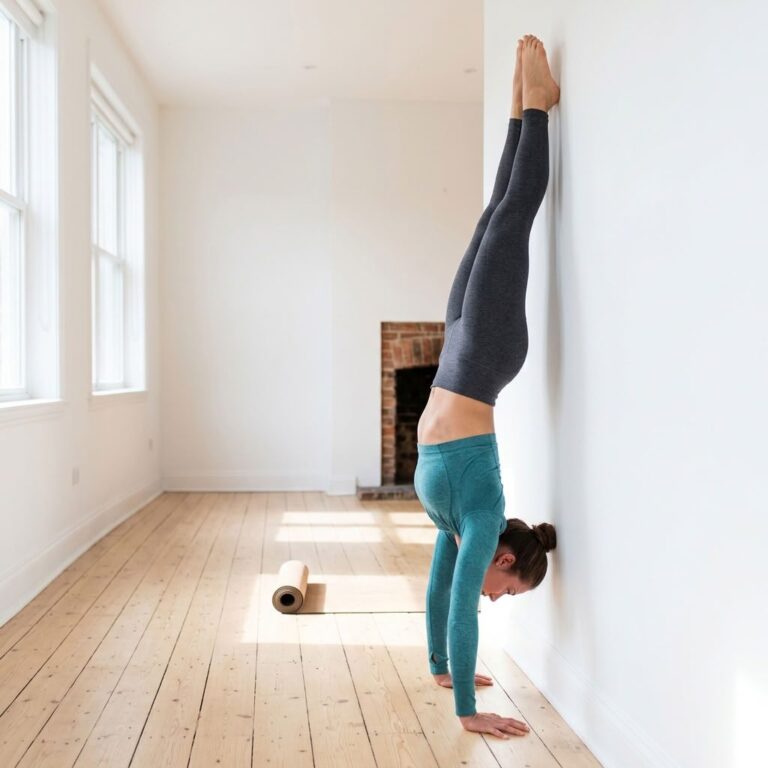
Is a handstand for beginners realistic for you?
For most healthy adults, yes. However, it takes patience. A handstand is a skill, not just a strength test, so progress comes from regular, short practice.
A handstand for beginners plan should always feel sustainable. If a session leaves your wrists sore for days, you did too much.
Some people learn the basics in a few weeks. Others need several months. Both are normal. Because no coach can promise a timeline, focus on steady improvement and enjoy the process.
If you have wrist, neck, shoulder or back problems, or conditions such as high blood pressure, check with your doctor first.
Prepare your body first
Handstands load your wrists, shoulders and core. Therefore, warm up carefully before every session.
- Wrist circles and gentle rocking on hands and knees (1 minute).
- Arm circles and shoulder shrugs (1 minute).
- Cat-cow to wake up your spine (1 minute).
- Plank hold for 20 to 30 seconds.
Next, check your space. Use a clear wall, a non-slip mat and enough room to step out safely. At home in Dubai, a bare floor can get slippery when you sweat, so a mat helps.
Step-by-step handstand for beginners progression
Move to the next step only when the current one feels calm and controlled.
Step 1: Strong plank
Stack your shoulders over your wrists. Push the floor away and squeeze your glutes. Hold for 30 seconds, three times.
Step 2: Pike hold
Lift your hips high to form an upside-down V. Keep your arms straight and your head between them. This position teaches your shoulders to bear weight overhead.
Step 3: Wall walk
Start in a plank with your feet at the base of a wall. Walk your feet up the wall while your hands walk closer. Stop when you feel strong, then walk back down slowly.
Step 4: Chest-to-wall hold
Face the wall in your wall walk position. Push tall through your shoulders and keep your ribs tucked in. Build up to 20 to 30 seconds with good form.
Step 5: Kick-up practice
Place your hands a short distance from the wall. Kick one leg up, then bring the other leg to meet it. Aim for light, controlled kicks rather than big swings.
Step 6: Short freestanding tries
Once your wall holds feel steady, try finding balance for one or two seconds away from the wall. Press your fingertips into the floor to correct a lean. Practise on a soft mat.
Key technique tips for handstand for beginners
Small details make a big difference, so keep these in mind.
- Keep your arms straight and your elbows locked.
- Push through your shoulders so they reach toward your ears.
- Squeeze your glutes and point your toes.
- Look between your hands, not at your feet.
- Spread your fingers wide and grip the floor.
These cues apply to every handstand for beginners drill, from wall holds to short balances.
Moreover, learn how to exit safely. If you fall forward, step out of the move or do a controlled cartwheel. Practise bailing out early, because confidence grows when you know you can come down safely.
How often should you practise?
Short and frequent beats long and rare. Try 10 to 15 minutes, three to four days a week, after your warm-up.
Because handstands are tiring for your shoulders, stop before your form falls apart. Rest days matter too. Also, avoid practising when you feel dizzy or unwell.
In Dubai’s summer, train indoors with air conditioning, and drink water before and after. The World Health Organization physical activity guidelines encourage strength work at least twice a week, so these sessions fit well into your routine.
Common mistakes and quick fixes
- Banana back (arched spine): squeeze your glutes and tuck your ribs in.
- Bent arms: practise pike holds and wall holds with locked elbows.
- Kicking too hard: use smaller kicks, and aim for control.
- Looking at your feet: keep your gaze on the floor between your hands.
If you want to strengthen your upper body for these skills, our guide to your first pull-up is a helpful companion. You may also enjoy calisthenics in Dubai for beginners.
Learning with a coach
Many adults find handstand for beginners sessions more enjoyable with a coach, because the feedback is immediate and the progress is easier to see.
A coach can spot small errors that you cannot feel. For example, they notice a tilted hip or soft elbows right away. They also give you spotting support while your confidence grows.
At YourTurn DXB, we start with how you feel and how your body moves. Our male and female coaches come to your home, park or beach. If you are comparing options, read our guide to personal trainer cost in Dubai.
Frequently asked questions
How long does a handstand for beginners take to learn?
It varies. Some people hold a wall handstand within weeks, while a free handstand can take months. Steady practice and patience matter most.
Do I need to be strong first?
You need basic strength, but you build it along the way. Planks, pike holds and wall holds develop the strength you need.
Is it safe to practise at home?
Yes, when you use a wall, a mat and a clear space. Stop if you feel sharp wrist or shoulder pain, and check with a professional if it persists.
Can I practise handstands after a meal?
It is better to wait. Practising upside down on a full stomach is uncomfortable, so leave a couple of hours after a big meal.
Ready to turn upside down with confidence? Book a session on WhatsApp and a YourTurn DXB coach will guide you step by step.
This content is general information, not medical advice. Check with your doctor before starting a training programme, especially with pregnancy, injuries or health conditions. Our coaches offer mindset and motivation coaching. They are not therapists.
Keep reading
Calisthenics vs Weights: Which Is Better for You?
Calisthenics or weight training? The strengths of each, which suits fat loss or muscle, and how to choose.
October 1, 2026 · 5 min readRamadanRamadan Workouts in Dubai: How to Train While Fasting
When to train in Ramadan, how to adjust your sessions, what to eat and drink, and how to protect your sleep.
October 2, 2026 · 5 min readPricingHow Much Does a Personal Trainer Cost in Dubai?
What affects personal trainer prices in Dubai, how to compare coaches, and our clear prices from AED 350 per session.
October 1, 2026 · 6 min read